Priority Patient Transport's approach to Mobile Integrated Healthcare brings mobile resources into the home and community to help bridge gaps between discharge, follow-up and ongoing care. Our goal is to help healthcare partners identify patient needs, coordinate appropriate interventions and understand the clinical and operational results.
This is the care journey we propose, and it is shaped with each partner before anything begins. Every step carries a named owner and a date. A handoff that nobody is holding is the point where follow-up quietly stops, so the model is built around accountable handoffs rather than status updates.
A discharge planner, care manager or provider refers a patient, with the reason for referral and the concerns they want addressed.
We confirm the patient fits the agreed criteria, obtain consent, and record what the visit is intended to cover — and what remains with the existing care team.
A named clinician is assigned with a target date agreed in advance, so the referrer knows who is going and when.
Observations are recorded as structured information rather than free-text notes, so findings can be acted on and reported consistently.
When something needs a clinical decision, it goes to the patient's own provider through the agreed escalation pathway — and stays open until there is a response.
Outstanding items carry an owner and a due date, including the ones that belong to someone outside Priority, until they are resolved and documented.
Results are reported back against measures agreed with the partner before the program begins.
Some of the most important reasons a recovery goes off track are not visible from a hospital or clinic record. An appropriately authorized visit, carried out under the program's agreed clinical protocols, can help surface them while there is still time to act.
What the patient is actually taking at home may differ from the discharge instructions. Identifying that difference early is one of the clearest opportunities in the days after a discharge.
A prescription that was never collected looks identical to one being taken correctly unless somebody checks. Cost, transportation and pharmacy issues are common and addressable.
Follow-up visits that were scheduled but not attended, and the practical reasons behind that — often transportation, timing or confusion about where to go.
How the patient is doing compared with the last contact, which a single snapshot cannot show, together with any concerns they or their family raise.
Whether the patient has the instructions, understands them, and is able to follow them in the circumstances they actually live in.
Who else is involved in the patient's care, how to reach them, and where the practical gaps are between visits.
The scope of any individual visit is defined by the program's approved clinical protocols, staffing and medical direction, and is agreed with the partner before the program begins.
Our vision is to connect healthcare information with the people and resources needed to act.
Referral details, patient needs, crew capabilities, geography and what a clinician observes in the home are usually held in separate places and reviewed after the fact. We believe bringing them together is what turns a record of a visit into timely care coordination — the right person, with the right information, early enough to matter.
This is the direction we are building toward, and we are deliberate about what that means. Decisions about a patient's care remain with clinicians. Our role is to make sure the information reaches them, and that nothing needing an answer is left without one.
Discuss our approach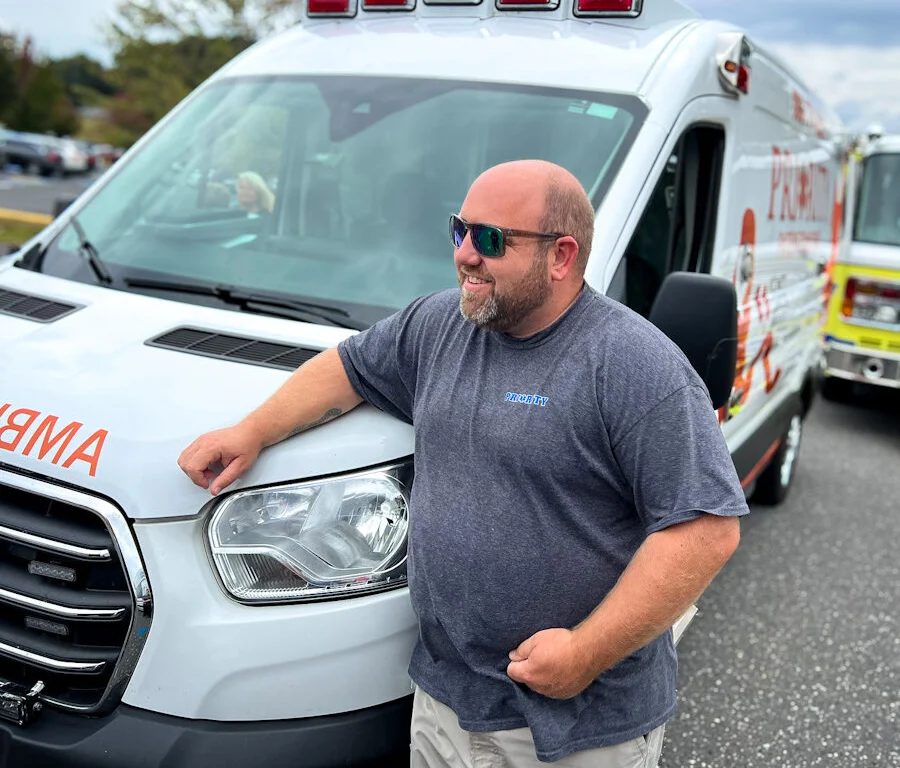
These are the measures we propose as a starting point. Definitions, targets and reporting periods are agreed with each partner before a program begins, because a measure nobody agreed to is a measure nobody trusts.
What we committed to do, and whether we did it. These come directly from our own records.
Days from receiving the referral to the first completed visit.
The share of visits completed inside the timeframe agreed with the partner.
Discrepancies identified, and resolution documented rather than assumed.
Clinical escalations acknowledged by the receiving provider within the agreed timeframe.
Follow-up appointments and care tasks completed, with what remains outstanding.
What patients tell us about the visit, and the barriers they face getting care.
A different kind of question, and one that has to be answered differently.
Emergency department use and hospital readmissions across defined follow-up periods.
Cost per enrolled patient, or per care episode, depending on how the program is structured.
Operational performance and clinical outcomes are not the same claim, and we do not present them as though they were. We can report directly on what we did and when. Changes in utilization and cost depend on an appropriate comparison method, complete follow-up data and definitions agreed in advance.
A patient who stayed home after a visit has not necessarily avoided an emergency department encounter, and an avoided encounter is not the same as a realized saving. We report what the data supports, with the reporting period and the context, and we are clear about what it does not yet show.
Mobile Integrated Healthcare works when it complements the care a patient already has rather than running alongside it. We design programs with hospitals and health systems, primary care providers, payers and community care organizations — and we are equally clear about where our scope ends and someone else's begins.
Before a program launches, we agree the following in writing with the partner:
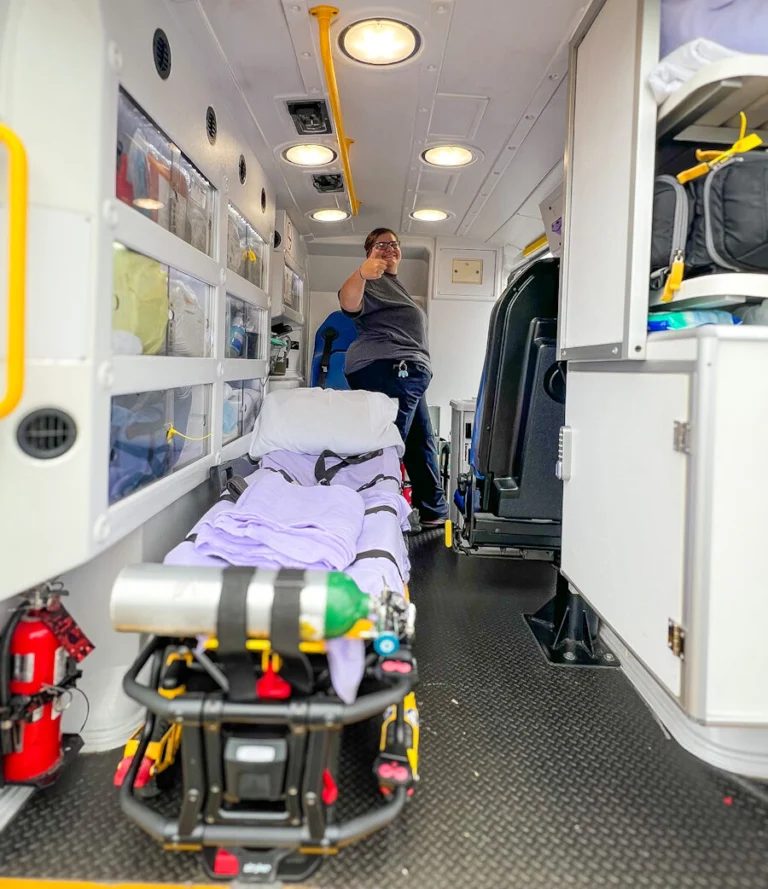
Explore an MIH program designed around your patients, care priorities and measurement goals.
Start the Conversation Contact UsOr call administration on (844) 604-5142.